
The DJ Thadz Interview
A Q&A conversation with Chicago's Thaddeus Anderson, aka DJ Thadz

Selected Works is a weekly (usually) newsletter by the Te Whanganui-a-Tara, Aotearoa (Wellington, New Zealand) based freelance music journalist, broadcaster, copywriter and sometimes DJ Martyn Pepperell, aka Yours Truly. Most weeks, Selected Works consists of a recap of what I’ve been doing lately and some of what I’ve been listening to and reading, paired with film photographs I’ve taken + some bonuses. All of that said, sometimes it takes completely different forms.
In October last year, I interviewed the Chicago ghetto house DJ’s Thadz and Slugo for Mixmag’s long-running The Mix series, which you can check out here. At the time, they were promoting the digital releases of the recent ‘Dance Mania Legends’ EPs on their respective ClownHouse Muzik and Subterranean Playhouse labels. Afterwards, I realised I had enough interview material left over for a separate Q&A with Thadz, which I’m running today via my newsletter.
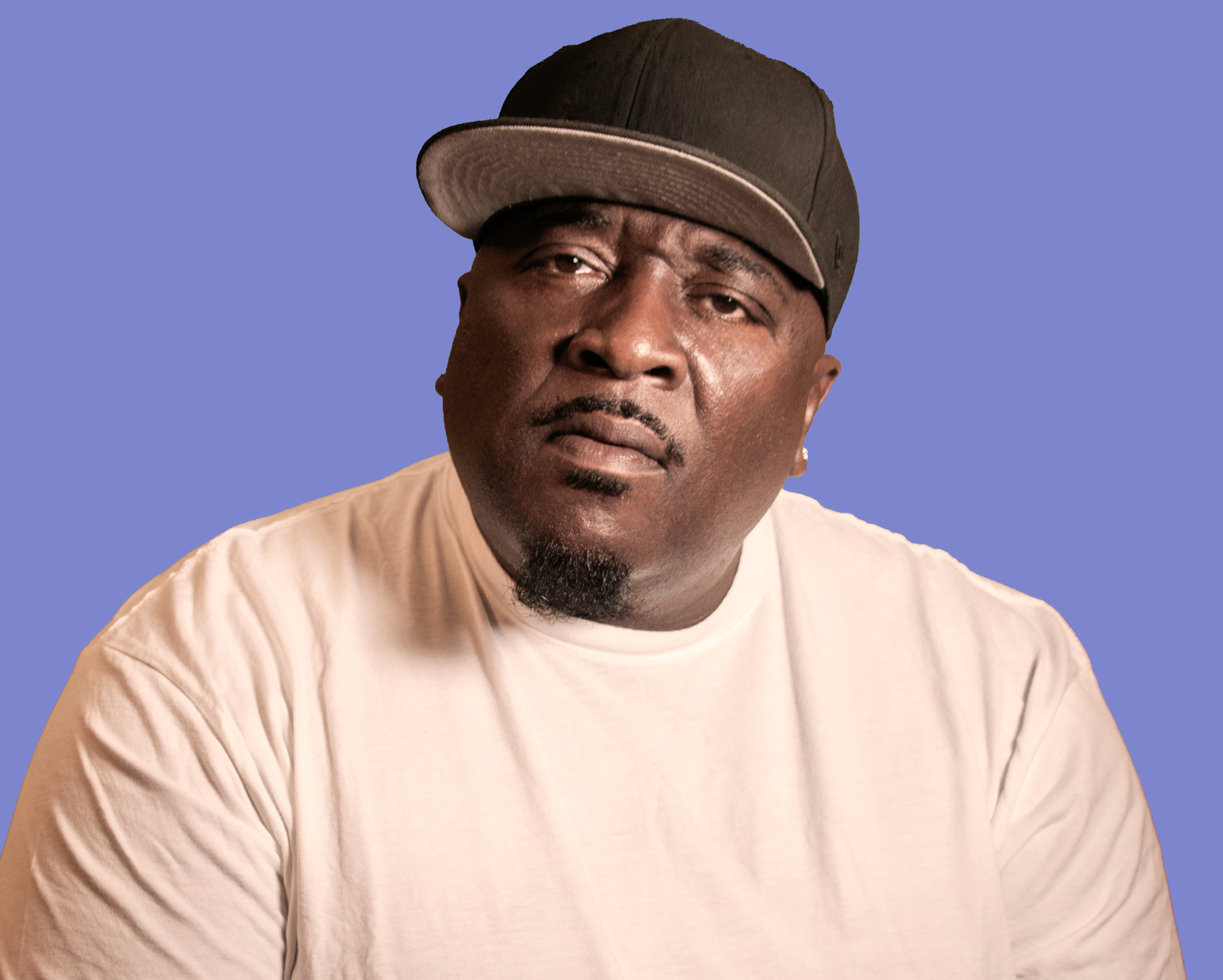
For anyone unfamiliar, here’s his short biography for a quick update: DJ Thadz is a talented dance music producer based in Chicago. With over 20 years of experience, he is known for his dynamic DJ sets and high-energy productions featuring deep beats and intricate soundscapes. He is dedicated to pushing the boundaries of dance music and continues to inspire fans with his passion for the craft.
Tell me about your background and musical interests before you got into DJing?
Now that’s interesting. Before I got into DJing, I played the trombone, and I took a couple of piano lessons. That’s what I did before I got into DJing. I always had an interest in music, but I wasn’t interested in DJ, producing, or none of that stuff. My mama made me get into it because I was running in the damn streets. I’ve always had an interest in rap, R&B, and stuff like that.
What were some of the ghetto house records that stood out to you at first?
Man, the ghetto house records that stood out to me was, of course, Deeon, his whole catalogue. Deeon, Funk, Milton, Slugo’s entire catalogues. When I was growing up, the colored mixtapes were the shit. If you had a colored mixtape, you was this shit. You know what I’m saying? Hey motherfucker! You got the blue? Bro, let me borrow it. Let me copy it. I’ll give you twenty for it, bro. That was the best, bro. You know what I’m saying?
I was interested in everyone at Dance Mania. Everyone stood out, bro. My favourite record of all time? ‘Let Me Bang’. Man, Deeon was a monster. Rest his soul. That man is the king of ghetto house. Him and Funk, definitely!
What was it like working with Rashad (RIP) and Spinn in the early days of their careers?
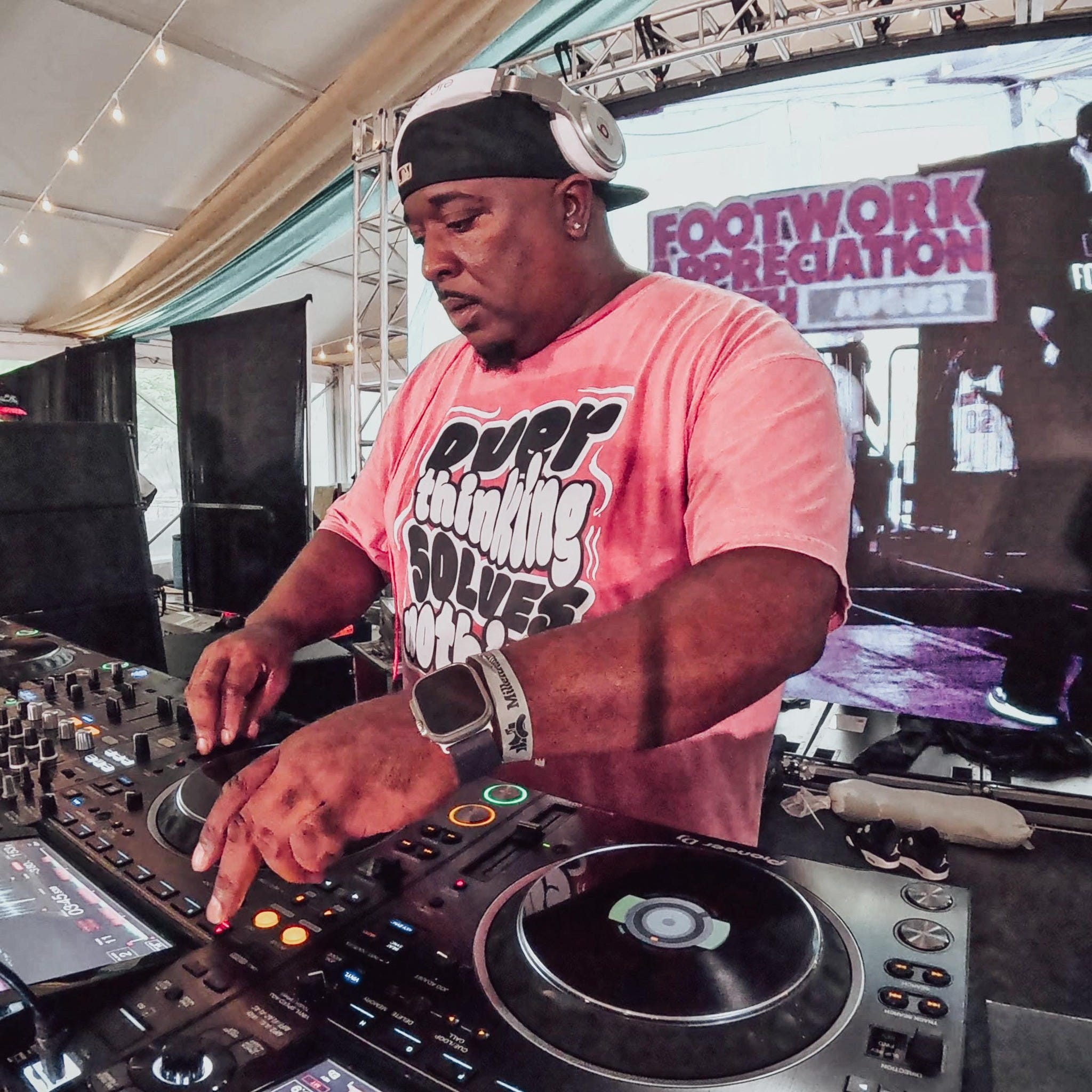
A lot of people don’t know this, because I never really got a chance to tell my story to the masses, but I put out Rashad’s first mixtape under ClownHouse Muzik. That was the label I started back in the 2000s. We were all DJing. I met Rashad at Markham Skating Rink when I was DJing there. He approached the DJ booth and introduced himself. Back then, he wasn’t the phenomenal track maker he became, but he was in the making.
Rashad used to run with a crew called Beat Down. That was DJ Clent’s label, but they were never putting anything out. Rashad came to me and asked if I could release his mixtapes? Me, Rashad, Clent linked up, and we put out Rashad’s first mixtape, which was The Juke Project. I always wanted to see Rashad grow. He was a really talented musician and producer. I did a couple of deals with Dance Mania. I featured him and Spinn on my ‘Chicken Headz’ record. The flipside is DJ Chip, ‘Bang * Ski!!!’ It was pretty cool running with Rashad, helping him out, and trying to help him and Spinn boost their names out there.
Tell me more about what you did with Spinn?
I put Spinn’s first CD out. Back then, I had a distribution deal, so my label was in Best Buy, Circus City, Walmart, stuff like that. I was just trying to help the guys out. We were all from the same area. So I put his CD out. People don’t really know. Of course, labels that are more established than we were don’t want you to know that. I’m just grateful I’m getting a chance to tell the truth right now. This is what was really going on. That’s how it was.
Back then, we used to do parties called the Juke-A-Thon. Spinn and Rashad, we’d put those guys on the line-up. It was all fun back then, man. Rest in peace, Rashad, man. May his soul rest. When Rashad first started moving, he was like, “Man, you need to come on, bro.” When he first started travelling, getting domestic gigs and overseas gigs, it was crazy. When his career started picking up, he was like, “This is serious, bro. You need to stop putting stuff out and come bro.”
What’s the story with your DJ name?
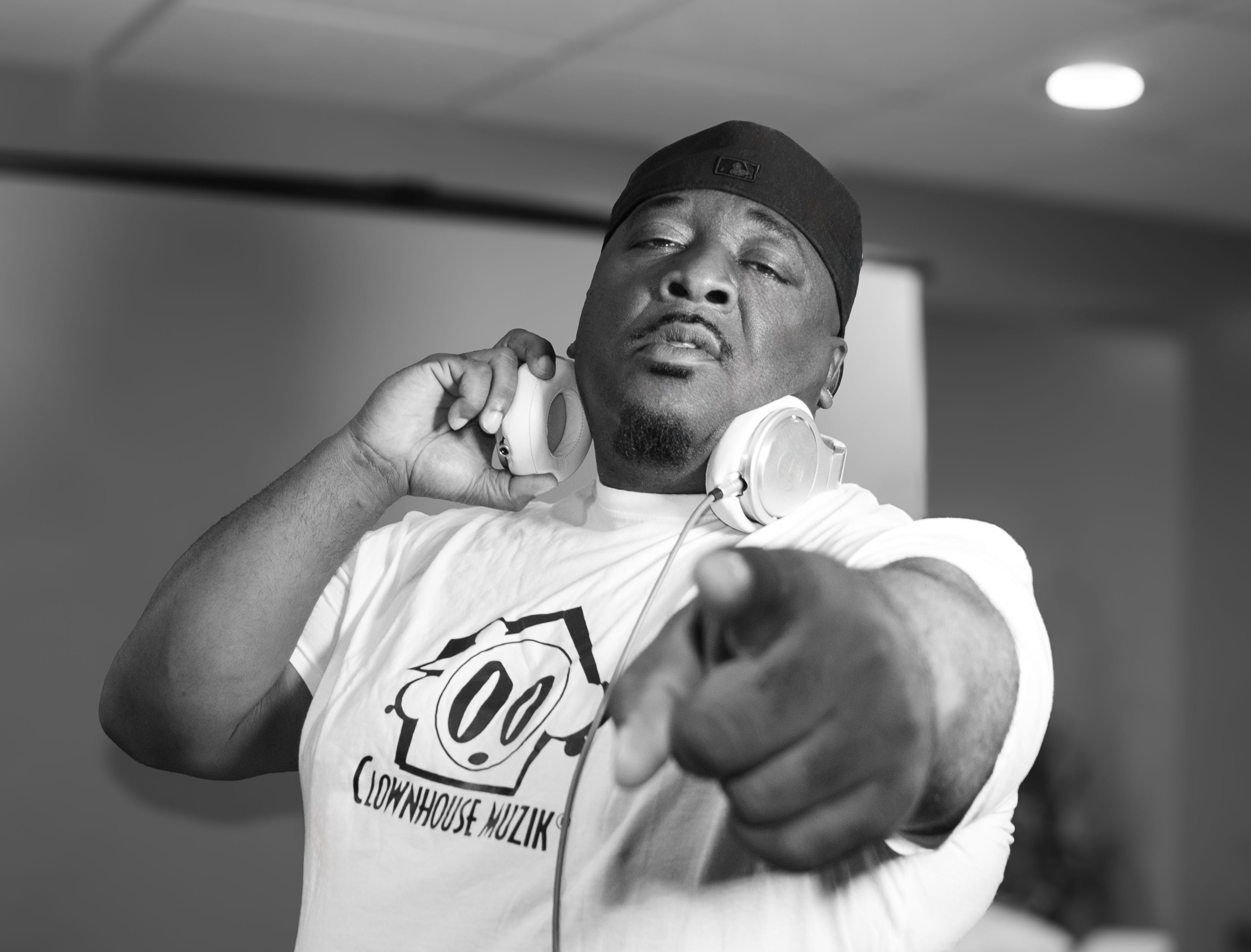
My real name is Thaddeus. I was like man, I need some cool shit. At first, I was DJ Thad. Later on, I added the z.
How did you get started as a DJ?
I started DJing when I was about nineteen. My brother, who was older than me, had the Numark mixer and the Sherwood turntables. He didn’t even have the Technics 1200s. I don’t even know where he got that shit from. He used to lock his room door before he left the house. I’m the little brother; he didn’t want me in his room. My ass, would go downstairs to the kitchen, get a fucking butter knife and pop the lock. His room was in the front of the house. I could see the street from there. I could see him coming up the block. I used to DJ all his shit until he got back home. When he got back, I’d split. Put the records up, wipe the needles, lock the door and go about my business. Sometimes he’d be skeptical, but every time he left, I’d get on those turntables.
One day, somebody actually broke into the house, stole his whole shit, and that was the end of it. Long story short, I ended up working and getting my own turntables. Then I went and started working at the infamous Markham Skating Rink. All the footwork dancers and heads reference that spot. It was the spot for teens. You’d hear ghetto house, juke and footwork, everything. At the time, Stacy Kidd was DJing there. He called me like, “You got your records?” Yeah, I got my records. “Meet me at Markham Skating Rink at 8pm, I’m finna quit.” Met him at Markham. He quit. They hired me on the spot. Why? Because they didn’t have nobody else to DJ. From that point on, I kept it going. It was full of teenagers, kids, crowds and all that.
How did you get from there to producing records?
During that process, I met Paul Johnson through Stacy Kidd. Me and Paul hit it off right away man. Cool guy. Rest in peace. Paul said, “Hey, you need to put some stuff out.” He introduced me to Ray Barney of Dance Mania. Ray didn’t want to let me put out nothing. He was like “Who is this cat?” You know what I’m saying? Paul Johnson and Stacy Kidd said, “We’ll vouch for him,” but I had to put their names on the record in some way. So I said, okay, you engineer and executive produce it. Well, no produce, arrange it or whatever. We just came up with some shit.
I put out my first record, ‘Kandi Machine’ and I was so excited. I went on to do five Dance Mania records. I did one with DJ Skip and Pushpac Productions. That was back when Skip was doing ghetto house. DJ Skip from S & S Records Inc. Shout out to DJ Skip. Pushpac for life! Then I turned around and started Clown House Muzik.
What are your favourite production tools?
It’s 2025, and I still use the MPC 3000. I don’t care what anyone says. Yeah, it’s basic, but the limitations just bring out the creativity. I love the MPC 3000. A lot of great records have been made with an MPC 3000. When I first met Paul and Stacy, they had the MPC 3000. Most of ghetto house did. When Slugo got started, he had the Gemini mixer with the sampler on it. The MS-1. You know, all that different stuff. Me, I love the MPC 3000.
How did you build your name in Chicago?
My name got big in Chicago because I was selling $2 mixtapes. I’d sell hundreds of them in a weekend. It was crazy. That was how my name got noticeable. Markham skate rink started throwing these big footwork tournaments called King of The Circle, with thousands of people. That’s a bit of history on me. Now, I want to be playing festivals. I’m trying to do all this other stuff now. Straight up man, I’m ready.
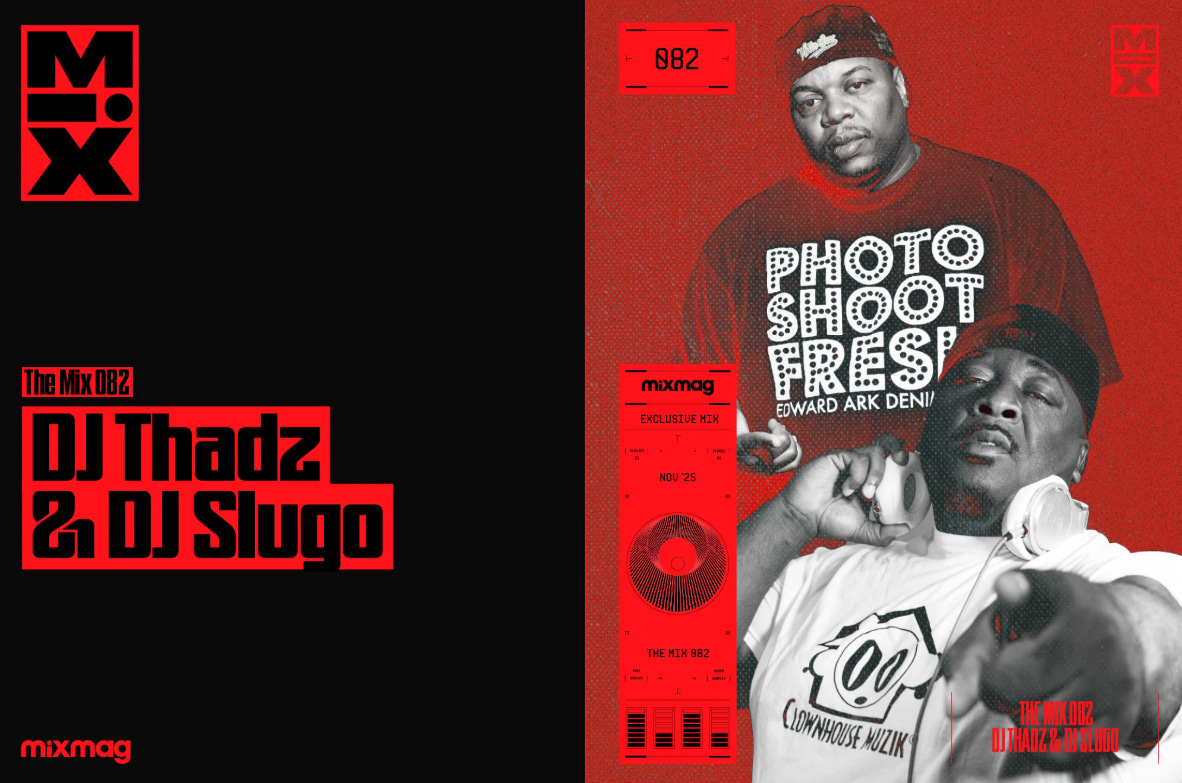
What was your goal with the mix you recorded for Mixmag?
You know what, Martyn, straight up, my goal was to bring out the true elements of ghetto house, juke and footwork in Chicago. Some of the stuff you hear, speaking just for me, it don’t have that authentic ghetto gutter house. It can seem watered down. I wanted to bring that raw Chicago, bass-banging feel.
There used to be these parties in Chicago, Dolton Expo Center, Club Cavallinis, Markham Skating Rink. Man, it was just a whole city of parties. I wanted to try emulate how we felt going to these parties. You know what I’m saying? I wanted to do some hardcore ghetto house shit to bring the feeling. That was my focus. I like the freaky shit, I like the ghetto house and footwork, but I kinda slowed down the mix, just on the strength that some of the older records are slower, and I wanted to respect the original records.
FIN.